Lae, 28 November 2025 – Oil Palm Industry Corporation (OPIC) General-Secretary Kepson Pupita says the national effort to reform Papua New Guinea’s oil palm sector has begun on a strong footing, following what he described as the “best ever consultation” held during a two-day regional meeting at Bubia, Lae, on the Oil Palm Industry Authority Bill 2025 and Oil Palm Industry Management Bill 2025.
Speaking at the end of consultations on November 27 and 27, Mr Pupita said the draft bills stem directly from the PNG National Oil Palm Policy 2025–2030, which was launched on 10 September 2025 by the Prime Minister through Finance Minister Hon. Thomas Opa. He said the policy provides the direction needed to finally establish a modern legislative framework for the industry.
“This has been the best ever consultation on the draft bills,” he said. “The industry has not been regulated, and there has been space for us to grow and manage the sector properly. The launch of the policy now gives us the direction to develop the legislative framework and create a new institution for the industry.”
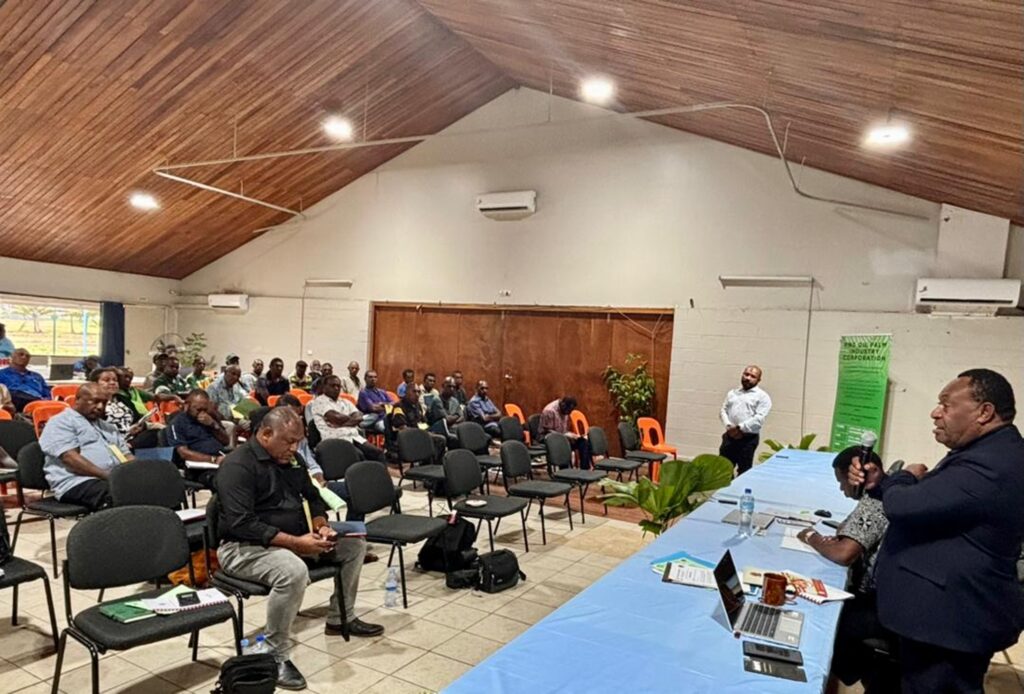
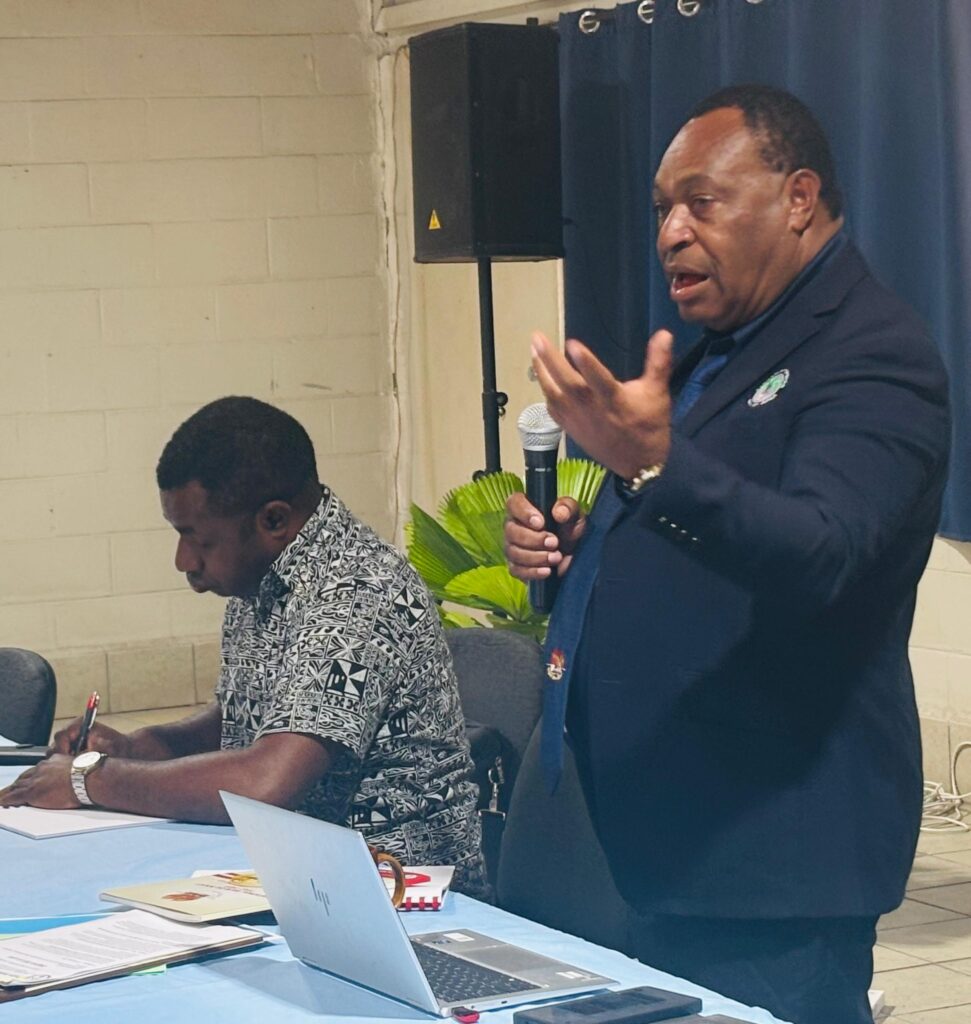
Strong backing from milling companies, landowners and growers
Mr Pupita said all stakeholder groups at the Bubia consultation provided strong, united support for the two draft bills.
“The milling company representatives gave us a round of applause and said they are 100 per cent focused on this work,” he said. “The landowners, from both the Madang side and the Morobe side, have shown the same level of support.”
He added that smallholder growers participating in the meeting also backed the reforms wholeheartedly.
“The smallholder growers who were already on site also gave big support,” he said. “We have seen that the occasion centres on giving us support.”
Consultations to continue across regions
Mr Pupita outlined the next steps in the national consultation programme, which will now move into other regions of the country.
“We will go next week Monday to Port Moresby, and on Thursday and Friday next week, we will conduct consultations in West New Britain,” he said. “We will also have one in Wewak, which is fitting, and we will have one in Kokopo.”
He said the goal is to ensure that landowners, smallholders and all affected groups fully understand the draft laws and have the opportunity to provide input.
“The purpose is to take the draft to the landowners, the smallholders, and those affected, so they understand the draft that is already underway,” he said. “If there is anything missing, they can tell us whether to remove or add anything.”
Next steps: legal vetting, drafting and submission to Parliament
Following the completion of nationwide consultations, the draft bills will be finalised and submitted to the appropriate government authorities.
“After consultations are completed, we will take it to the State Solicitor, who will give us the Certificate of Necessity,” Mr Pupita said. “That is the clearance for us to take the draft bills to First Legislative Counsel, who finalise it.”
He said the intention is to have the bills ready for Parliament before the middle of the year.
“Our plan is to deliver this to Parliament before June 16, 2026,” he said.
A major reset for the industry
Mr Pupita thanked all stakeholders who have participated so far and encouraged others in upcoming consultation regions to join the process.
“I want to thank all the stakeholders who are participating now, and I also want to welcome the other stakeholders in the Southern region and the New Guinea Islands region to come,” he said. “Let us support the draft bill and push it through for it to become an Act.”
He stressed that after decades of unregulated expansion and stalled growth, the sector needs this legislative reset.
“There is no legislation in the oil palm industry, and so we cannot grow,” he said. “We have been sitting on 250,000 hectares for years. Why we have not grown is because we do not have a regulatory framework or legislation.”
Mr Pupita said the reforms mark a turning point for the sector as PNG moves beyond its first half-century.
“This is a reset after 50 years of independence spearheaded by the Marape-Rosso Government,” he said.
ENDS