PORT MORESBY, 4 January 2025 — For the fifth consecutive year, PNG-Chinese entrepreneur Allan Guo has stepped away from business commitments to invest in something he believes is just as critical to Papua New Guinea’s future: building resilient, grounded young leaders.
Guo, the founder of Edevu Hydro Power, which supplies electricity into the Port Moresby grid and is also developing hydropower and a cement factory in Morobe’s Finschhafen district, led a group of university students on a demanding Christmas expedition through remote parts of the Huon Peninsula in Finschhafen.
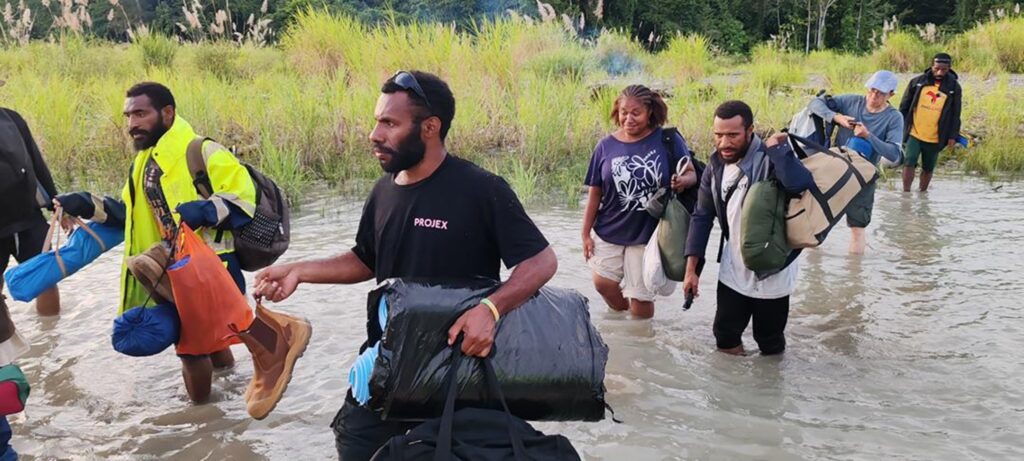
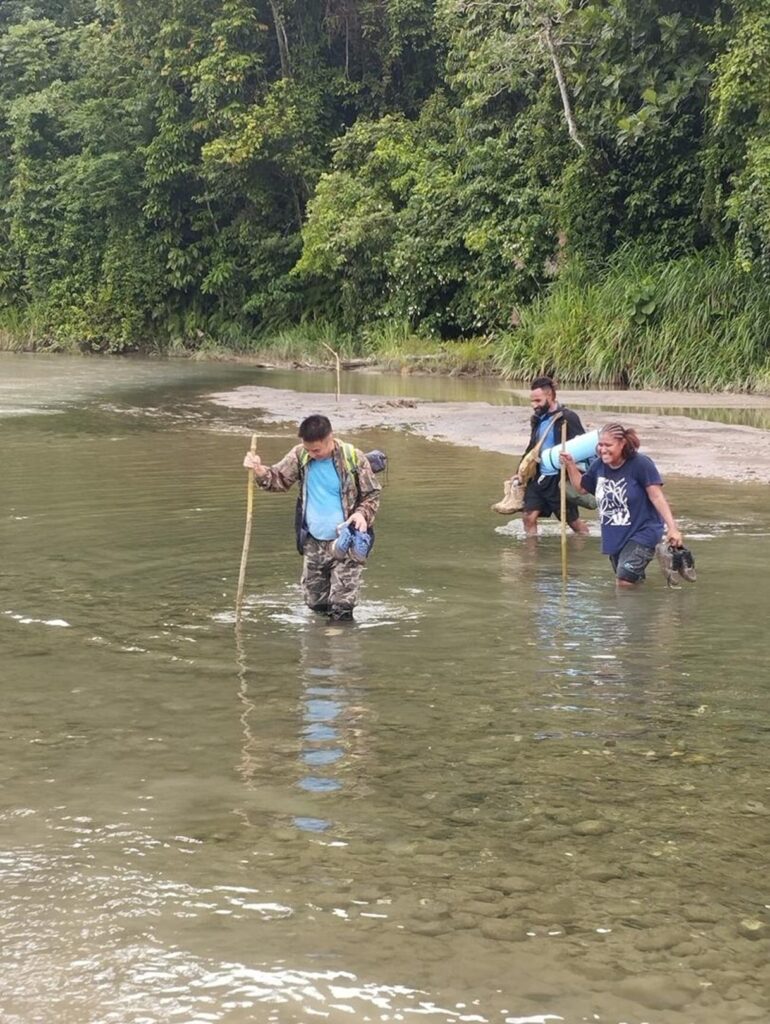
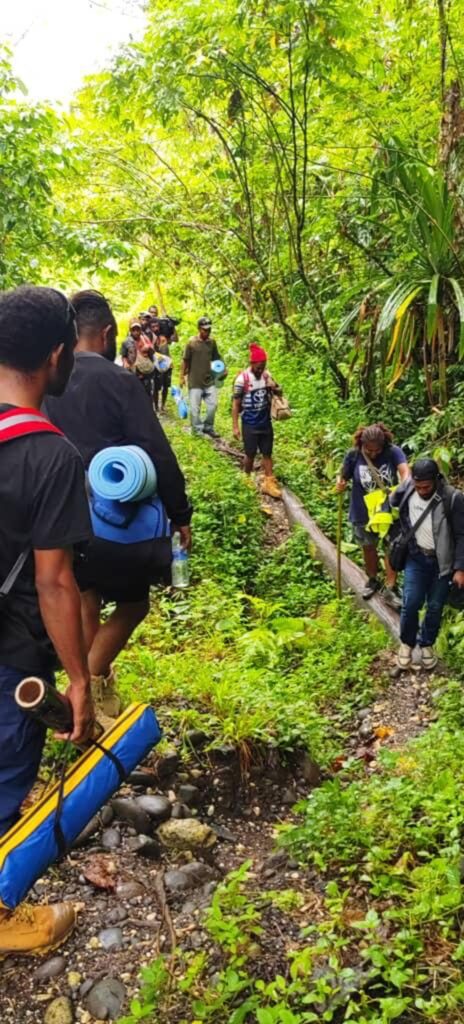
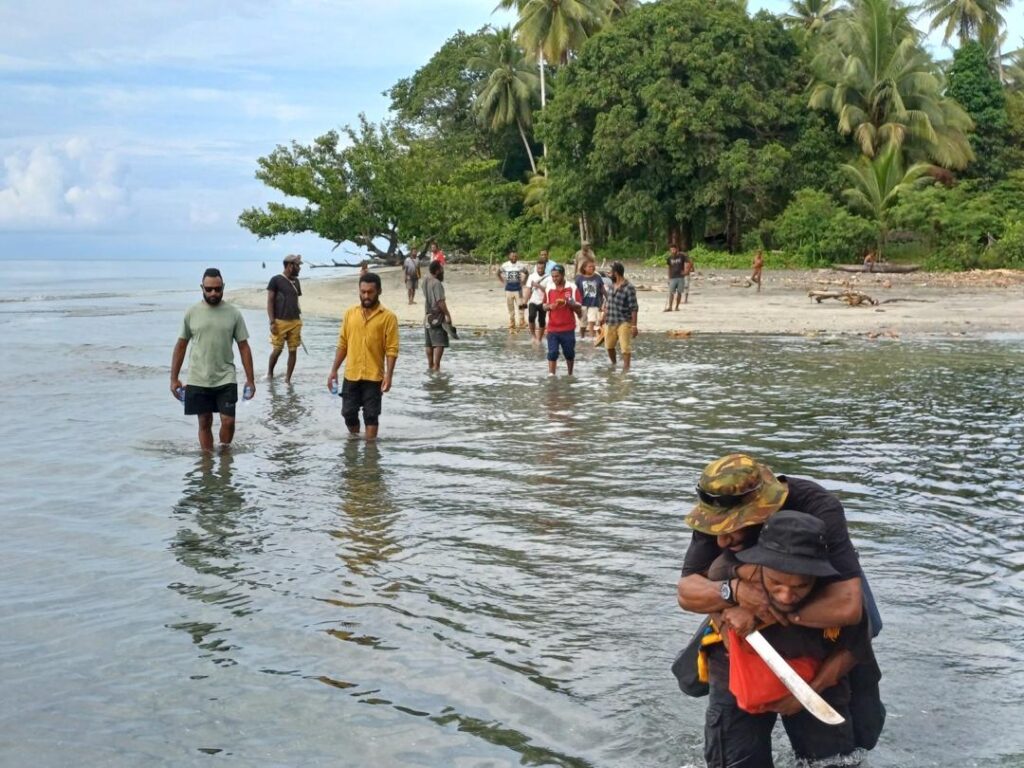
The 2025 AG Christmas Camp brought together 12 students — 11 men and one woman — from the Papua New Guinea University of Technology and the University of Papua New Guinea for a seven-night trek from the Finschhafen coast into the mountains and back again, crossing rivers, climbing steep terrain and spending nights in villages and along riverbanks.
“We use the Christmas break to share experience with young people and to train them in resilience and hardship, alongside their academic knowledge,” Guo said. “This is about grounding them in the reality of our country.”
Coast to mountains — and floating back
Beginning at the coast in the Finschhafen area, the group followed inland river systems, passing through a series of rural communities where development remains limited despite the region’s relative closeness to Lae.
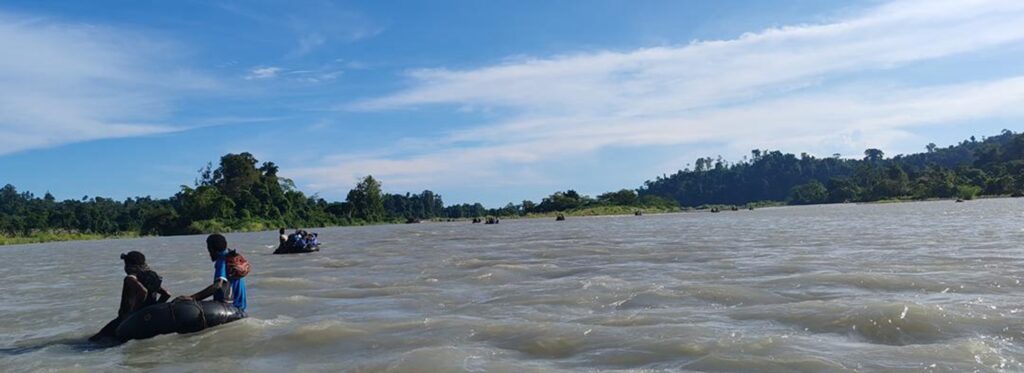
Students slept in villages, interacted with local residents, and witnessed everyday village challenges. On the return journey, the group floated downriver in rubber tubes back to the sea — a first-time experience for all participants.
“It’s physically exhausting, especially for those who grew up in town,” Guo said. “But I was impressed by everyone’s determination — including the lady student. They kept going.”
Guo said the experience was deliberately designed to disconnect participants from technology and reconnect them with teamwork, self-reliance and basic survival.
“In the bush there’s no phone, no internet,” he said. “And they survived just fine. That’s empowering.”

A student’s perspective: resilience learned the hard way
One of the participants, 24-year-old Sydney Lole, a final-year electrical engineering student from Hela Province, described the camp as a life-changing experience.
Mr Lole, whose father is from Hela and mother from Joaoka, said he applied after seeing the camp advertised on LinkedIn and was grateful to be selected.
“This was my first time going to Finschhafen,” he said. “I’ve been to Lae before, but never beyond that. The experience opened my eyes.”
The group travelled by boat from Lae to Finschhafen, before moving inland on foot. Mr Lole said that although Finschhafen is geographically close to Lae, the lack of infrastructure makes everyday life far more challenging.
“For someone like me who lives in Port Moresby — and even though I go back to my village in Hela — this was different,” he said. “It helped me understand the reality of life for many Papua New Guineans living far from towns and roads.”
Lessons beyond the classroom
Mr Lole said the camp emphasised discipline, planning and teamwork. Participants were given limited food rations and had to manage supplies carefully throughout the trek.
“We had to make sure the rations lasted until the end of the trip,” he said. “It taught us resource management.”
Each evening, the group worked together to collect firewood, prepare meals and ensure everyone was accounted for.
“No one was left out,” he said. “That’s where teamwork really came in.”
The camp ran from 22 to 27 December, with Christmas Eve spent beside a riverbank at Otokai village around a bonfire, and Christmas Day marked by hiking and tubing down the large Buresong River.
“It was simple, but meaningful,” Mr Lole said. “The river was powerful, so safety and trust in each other were very important.”
Participants also carried out a small community activity, contributing food and assistance to Beremu village.
“It showed us the importance of giving back, even when you have little,” he said.
Linking youth development to regional growth
Guo said exposing students to Finschhafen also connects directly to his wider work in Morobe, where he sees significant untapped potential for hydropower and industrial development.
“People think these places are too far or too hard,” he said. “But often it’s just mindset.”
He believes that once young professionals understand rural realities — and once early projects succeed — perceptions will change.
“Our country is still largely rural,” Guo said. “If future engineers, planners and leaders don’t understand that, we will keep making the wrong decisions.”
For Mr Lole, the lessons from the bush will stay with him long after graduation.
“It taught me resilience, teamwork, and how to manage with what you have,” he said. “Those are lessons you can’t learn in a classroom.”